
FIELD GUIDE 01
Protein bars:
how to read
the label
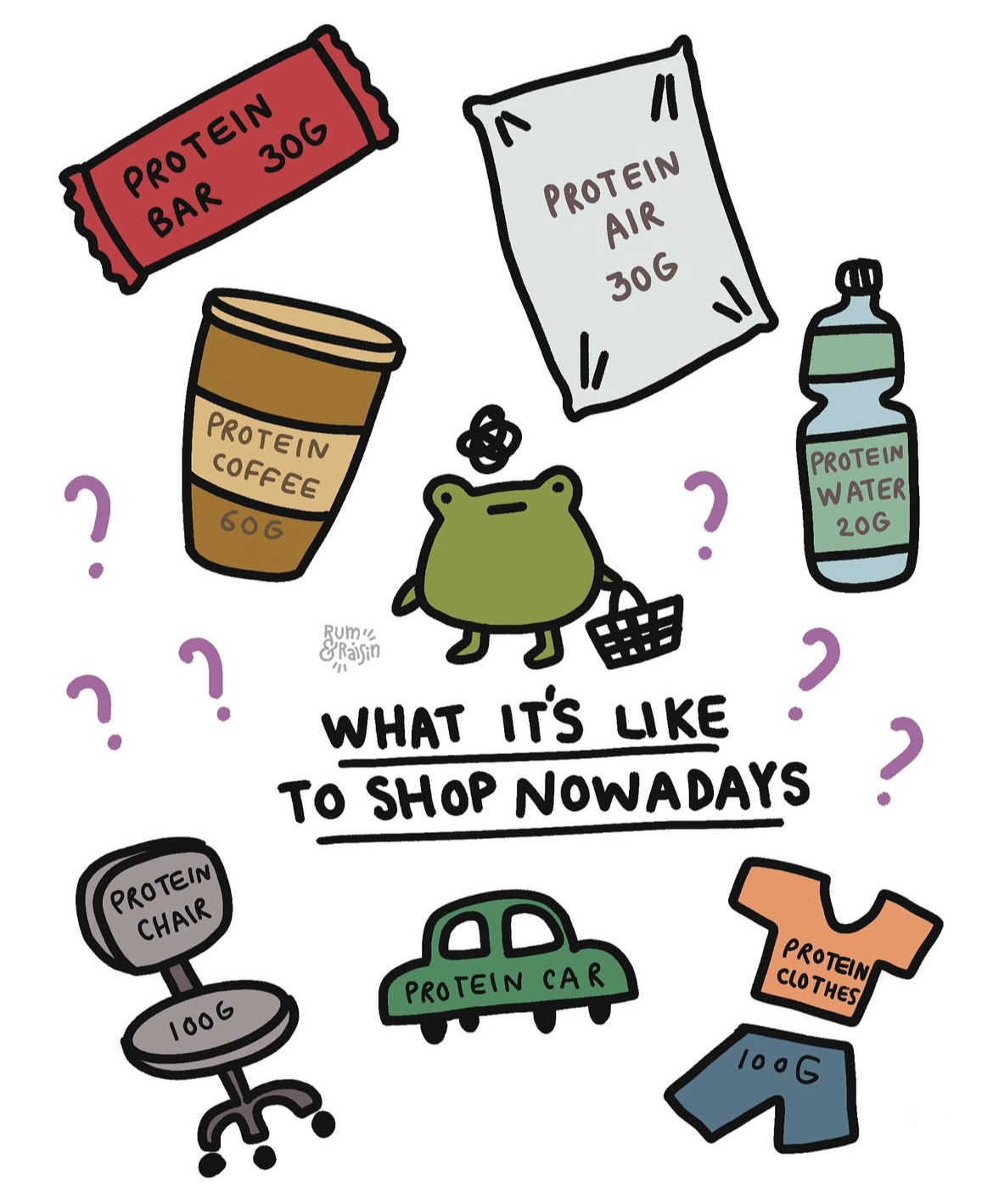
Protein bars can be a convenient way to get protein on the go—especially when you need a snack after training and a regular meal is not available. But not all bars are made equal. A large protein claim does not tell you the whole story: bars can differ in their protein source, calories, sugar, fibre, saturated fat, sodium/salt, and ingredients used for texture and sweetness.
Here is what to look out for and how to read the label.
Start with grams per bar
Check the serving size first. In this game, we compare protein per whole bar, but some packages may contain more than one serving.
For a general healthy adult, the UK Reference Nutrient Intake is 0.75g protein per kilogram of body weight per day. That is roughly 45g/day for a 60kg adult and 55.5g/day for a 74kg adult. Needs can differ with age, pregnancy, illness, training volume, and personal goals; athletes may have higher requirements. A protein bar can help contribute to your total, but it is a supplement to a varied diet—not a compulsory food group.
See where the protein comes from
Protein is made from amino acids. Nine are essential: the body must get them from food. A protein’s useful nutritional quality depends on its essential-amino-acid profile and how digestible it is.
A “protein blend” may contain several sources. The ingredient list is usually ordered by weight, which is a clue to what is present most—but it does not reveal exactly how many grams of the declared protein came from whey, soy, collagen, or nuts.
Plant-based? Look for variety, not perfection
A well-planned plant-based diet can supply all essential amino acids. Animal proteins tend to be complete, while individual plant foods can be lower in one or more essential amino acids. That is why variety matters: eat a mix of pulses/beans, soy foods, whole grains, nuts, seeds, and other plant proteins over the day.
For a vegan bar, check the ingredient list for a blend such as soy + pea + rice, or make sure your wider diet includes varied plant-protein foods. Do not assume that “vegan” means low protein—or that “plant protein” means inferior. The total amount, amino-acid profile, digestibility, and the rest of your diet all matter.
Compare protein with the rest of the bar
A bar can have 20g of protein and still vary widely in calories and other nutrients. Compare like with like:
- Protein per bar
- The simplest number for meeting a target.
- Protein per 100 kcal
- Useful for comparing protein density between bars of different sizes.
- Calories per bar
- Important if energy intake matters to you.
- Fibre
- Can help distinguish a more filling snack from one that is mostly refined carbohydrate or fat.
- Sugars and added sugars
- Check both where the label provides them.
- Saturated fat and sodium/salt
- Compare these across similar bars, especially if you eat them frequently.
No single ratio decides whether a bar is “good” or “bad.” A higher-protein, higher-calorie bar may suit someone needing a substantial post-training snack; a smaller whole-food nut bar may suit a different occasion.
Read past the front claim
Turn the pack over and read these three places:
- Nutrition panel — protein, calories, fibre, sugars, saturated fat, and sodium/salt per bar.
- Ingredient list — protein sources, sweeteners, oils, fibres, flavourings, and allergens.
- Allergen statement — milk, soy, egg, peanuts, tree nuts, gluten/cereals, and other relevant allergens.
Protein powders and processed bars can include ingredients such as sweeteners, sugar alcohols, thickeners, added fibres, flavourings, and added vitamins/minerals. These are not automatically harmful, but they may affect taste, digestion, allergies, dietary preferences, or how often you want to rely on the product.
BOTTOM LINE
Pick the bar for the moment—not the marketing claim.
Use protein bars as a convenient option—not as a replacement for all meals. Pick a bar whose protein amount, protein sources, and wider nutrition panel make sense for you. For most people, regular foods such as beans, lentils, tofu, yoghurt, eggs, fish, lean meat, nuts, seeds, and whole grains can provide protein alongside other nutrients.
This guide is general education, not personal medical or dietetic advice. If you have kidney disease, an eating disorder, food allergies, are pregnant, or have an individual nutrition concern, seek advice from an appropriately qualified clinician or registered dietitian.